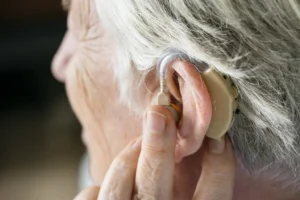
Hearing health plays a critical role in your overall well-being, yet it often receives far less attention than other aspects of healthcare. According to the National Institute on Deafness and Other Communication Disorders (NIDCD), approximately 15% of American adults (37.5 million) report hearing difficulty. Regular hearing evaluations are essential to detect changes early, guide appropriate treatment, and prevent further complications.
Whether you suspect a hearing issue or simply want to monitor your health, this guide will help you understand the hearing evaluation process, when you should consider one, and how audiology discounts through the Rubicare Health Savings Plan make it more accessible and affordable.
What Are Hearing Evaluations?
A hearing evaluation is a comprehensive assessment conducted by a licensed audiologist to determine the status of your hearing and auditory processing. Unlike quick screening tests, these evaluations provide detailed insights into your hearing range, sensitivity, and ability to understand speech in various settings.
Components of a Hearing Evaluation
A complete diagnostic hearing evaluation may include several steps:
- Patient History Review: The audiologist begins by asking about medical history, exposure to noise, ear infections, medication, and symptoms such as tinnitus or dizziness.
- Otoscopy: This visual inspection of the ear canal and eardrum identifies potential issues such as wax buildup, fluid, or abnormalities.
- Tympanometry: This test measures eardrum movement in response to air pressure changes, helping detect middle ear problems like fluid or perforation.
- Pure-tone audiometry is the hallmark of a hearing test. It measures the softest tones a person can hear at various pitches. The patient wears headphones and responds to tones in each ear.
- Speech Audiometry: This test assesses how well the individual can recognize and repeat spoken words at different volumes, determining speech comprehension.
- Bone Conduction Testing: This test bypasses the outer and middle ear and identifies whether hearing loss is sensorineural or conductive.
- Otoacoustic Emissions (OAE) and Auditory Brainstem Response (ABR): These are advanced tests sometimes used for infants or to evaluate the inner ear and neural pathways.
Each procedure is painless and typically takes about 30 to 60 minutes.
When Should You Schedule a Hearing Evaluation?
Hearing loss can develop gradually, and many people don’t realize the extent of their impairment until communication becomes significantly impacted. The American Speech-Language-Hearing Association (ASHA) recommends that adults get a baseline hearing test by age 50 and once every 10 years unless risk factors are present.
You should schedule a hearing evaluation if you:
- Struggle to understand conversations in noisy environments
- Frequently ask others to repeat themselves
- Increase the volume on TVs or phones above normal levels
- Notice a muffled or ringing sensation in your ears (tinnitus)
- Experience dizziness, balance issues, or ear discomfort
- Have a family history of hearing loss or work in a loud environment
The CDC recommends routine hearing checks for children starting at birth and screenings during developmental milestones and school-age years.
Why Hearing Evaluations Matter
Hearing isn’t just about your ears—it directly influences communication, social interaction, cognitive function, and quality of life. Undiagnosed or untreated hearing loss can lead to:
- Social isolation and depression: Difficulty engaging in conversations can make individuals withdraw from activities they once enjoyed.
- Cognitive decline: A Johns Hopkins study found that adults with hearing loss are more likely to experience memory loss and dementia. Even mild hearing loss doubles the risk of developing dementia.
- Decreased earning potential: A report by the Better Hearing Institute estimated that untreated hearing loss costs workers up to $30,000 annually in lost income.
- Safety concerns: Impaired hearing can make detecting alarms, traffic sounds, or verbal warnings harder.
Early diagnosis through a professional evaluation allows for more treatment options, whether hearing aids, assistive devices, medical interventions, or counseling.
How Rubicare Health Savings Plan Makes Hearing Care Affordable
High costs are often a barrier to seeking audiology services, especially when insurance doesn’t fully cover diagnostics or hearing aids. This is where Rubicare Health Savings Plan stands out. Designed for individuals and families looking to save on essential healthcare services, Rubicare provides audiology discounts that reduce the cost of hearing evaluations and related care.
What Is Rubicare?
Rubicare is a membership-based health savings plan that offers discounts across various medical and dental services, including optometry, chiropractic, and audiology. For just $79 per year per individual, members gain access to negotiated rates with a network of providers.
Audiology Benefits with Rubicare
- Discounted Hearing Evaluations: Members can save significantly on the cost of routine diagnostic hearing exams.
- Savings on Hearing Aids: Many plans within Rubicare’s network offer up to 10%–30% off hearing aid devices and fittings, often not covered by traditional insurance.
- Follow-Up Visits and Adjustments: Ongoing care, including hearing aid calibration and ear health checks, is often discounted as part of the plan.
With hearing aids ranging from $1,000 to $4,000 per ear, Rubicare’s savings can make professional hearing care accessible to more people, especially seniors and those without comprehensive insurance coverage.
The Rubicare Advantage: Accessible Audiology for All
Let’s put the numbers into perspective:
- The average cost of a comprehensive hearing evaluation without insurance can range from $100 to $250, depending on the provider and location. With Rubicare, members typically receive 20% off these services.
- A basic hearing aid averages $1,500 per unit, while premium models can exceed $3,500. Rubicare members save hundreds of dollars through participating providers.
- Rubicare’s $79 annual membership often pays for itself after just one or two visits to an audiologist.
Moreover, Rubicare’s network includes reputable hearing professionals and clinics across the region, ensuring high-quality care at a lower out-of-pocket cost. It benefits older adults, freelancers, small business owners, or anyone seeking cost-effective solutions without sacrificing quality.
What to Expect After a Hearing Evaluation
Once your evaluation is complete, your audiologist will review the results with you in detail. This includes a discussion of:
- Hearing thresholds and what type of hearing loss (if any) you have
- Recommendations such as hearing aids, wax removal, further medical testing, or lifestyle adjustments
- Education about protecting your hearing and how to manage any diagnosed conditions
If hearing aids are suggested, the audiologist will discuss available options, styles (such as behind-the-ear or in-the-canal), expected costs, and available Rubicare Health Savings Plan discounts.
Follow-up visits may be recommended to monitor your condition or fine-tune assistive devices.
Tips for Protecting Your Hearing
Preventative care is key, even if you’re not currently experiencing hearing loss. Here are simple strategies to protect your hearing health:
- Use hearing protection around loud noises (concerts, machinery, power tools).
- Lower the volume on headphones and speakers, especially for children and teens.
- Maintain regular checkups, primarily if you work in noisy environments or are over 50.
- Avoid inserting objects like cotton swabs into the ear canal.
- Monitor medications, as some (including specific antibiotics and chemotherapy drugs) can be ototoxic (harmful to hearing).
Routine hearing evaluations are one of the best ways to stay proactive, and Rubicare’s audiology discounts make that a financially sustainable choice.
Conclusion: Invest in Hearing Health with Rubicare
Hearing loss can creep in slowly, impacting relationships, safety, and cognitive health long before it’s diagnosed. A professional hearing evaluation is a straightforward yet powerful tool for preserving oral and overall health.
With the Rubicare Health Savings Plan, you don’t need to delay care due to cost. For just $79 per year, Rubicare members can access significant audiology discounts, including savings on hearing tests, hearing aids, and ongoing hearing support.
Take charge of your hearing health today, because better hearing leads to better living.
Learn more about Rubicare’s provider network and enroll in a membership