Hearing loss is a prevalent issue that can affect people of all ages, and its impact extends far beyond the inability to hear sounds clearly. Hearing loss can lead to social isolation, difficulty communicating, and a lower quality of life if left untreated. Understanding the causes, effects, and treatment options is crucial in addressing the condition. Rubicare Health Savings Plan makes audiology services more affordable, helping members access the care they need at reduced rates. This article will explore the common causes and effects, when to seek an audiologist, available treatments, and how Rubicare can help members save.
Common Causes of Hearing Loss
Hearing loss can result from various factors, and understanding these can help prevent or manage the condition effectively. Here are some of the most common causes:
Age-Related Hearing Loss (Presbycusis)
- What it is: As we age, the hair cells in the inner ear naturally degenerate, leading to gradual hearing loss, particularly in high-frequency sounds.
- Risk Factor: Presbycusis usually begins in middle age and progresses over time, affecting both ears.
Noise-Induced Hearing Loss
- What it is: Prolonged exposure to loud noises or sudden bursts of loud sound can damage the hair cells in the inner ear.
- Risk Factor: Frequent exposure to noisy environments, such as workplaces with heavy machinery or listening to loud music, increases the risk of noise-induced hearing loss.
Ear Infections and Diseases
- What it is: Conditions like ear infections (otitis media), Meniere’s disease, and other infections can damage the ear’s structures, leading to temporary or permanent loss.
- Risk Factor: Children are more prone to ear infections, which can sometimes lead to hearing issues if left untreated.
Genetic Factors
- What it is: Genetic hearing loss is hereditary and can be present from birth or develop later in life.
- Risk Factor: Family history of hearing impairment increases the likelihood of genetic hearing loss.
Ototoxic Medications
- What it is: Some medications, known as ototoxic drugs, can damage the inner ear, leading to hearing loss. These include certain antibiotics, chemotherapy drugs, and high doses of aspirin.
- Risk Factor: People who take ototoxic drugs over an extended period are at risk for hearing loss.
Effects of Hearing Loss
The effects of hearing loss go beyond auditory limitations and can have a significant impact on a person’s social, emotional, and psychological well-being. Here are some of the most common effects:
- Communication Challenges: Difficulty hearing conversations can lead to misunderstandings, frustration, and strained relationships.
- Social Isolation: People with untreated hearing loss may avoid social situations, leading to feelings of isolation and loneliness.
- Cognitive Decline: Research suggests a link between untreated hearing loss and an increased risk of cognitive decline and dementia, as the brain has to work harder to process sound.
- Reduced Quality of Life: Hearing loss can limit daily activities and make it challenging to enjoy hobbies, attend social events, or feel safe in certain environments.
- Emotional Strain: Struggling to hear and communicate can lead to feelings of embarrassment, frustration, and even depression.

When to See an Audiologist
If you’re experiencing hearing loss or suspect that your hearing has deteriorated, it’s essential to seek professional help from an audiologist. Here are some signs that indicate it’s time to see an audiologist:
- Difficulty Hearing Conversations: If you often say, “I’m losing my hearing” or find yourself frequently asking people to repeat themselves, it may be time for a hearing exam.
- Struggling in Noisy Environments: Difficulty understanding speech in crowded places, such as restaurants, can be a sign of hearing loss.
- Ringing or Buzzing in the Ears (Tinnitus): Persistent ringing in the ears can be a symptom of hearing loss or other auditory issues.
- Turning Up the Volume: If you find yourself regularly increasing the volume on your TV or phone, it might be an indication of hearing impairment.
- Fatigue from Listening: Struggling to keep up in conversations can be exhausting, as your brain works harder to process sounds.
Seeking an audiologist’s help for a diagnostic exam can confirm the extent and type of hearing loss you’re experiencing, allowing for appropriate treatment to be recommended.
Diagnosing Hearing Loss
An audiologist performs a range of tests to diagnose hearing loss, including:
- Pure-Tone Testing: This test assesses the faintest tones a person can hear at different frequencies and is conducted through air conduction (250 Hz – 8000 Hz) and bone conduction (500 Hz – 4000 Hz).
- Speech Threshold Testing: Measures the softest level at which a person can recognize speech.
- Word Recognition Testing: Evaluates the ability to understand words at a comfortable volume.
- Tympanometry: Tests the middle ear’s function by measuring movement of the eardrum in response to pressure changes.
- Otoscopy: Allows the audiologist to visually examine the ear canal and eardrum for blockages or damage.
- Acoustic Reflex Testing: Assesses the reflexive response of the ear to loud sounds, which can reveal issues in the auditory pathway.
Treatment Options for Hearing Loss
Once hearing loss is diagnosed, there are various treatment options available, depending on the severity and type of hearing impairment:
Hearing Aids
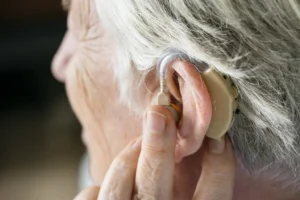
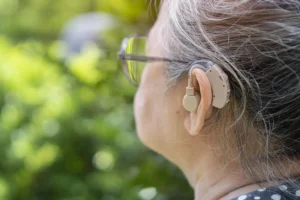
- What They Are: Hearing aids amplify sounds to improve hearing, and they come in various styles and sizes to suit individual needs.
- When to Use: Hearing aids are typically prescribed for mild to moderate hearing loss.
Cochlear Implants
- What They Are: A cochlear implant is a surgically implanted device for people with severe hearing loss who do not benefit from hearing aids.
- When to Use: This device bypasses damaged parts of the ear and directly stimulates the auditory nerve.
Bone-Anchored Hearing Aids (BAHA)
- What They Are: BAHA devices transmit sound directly to the inner ear through bone conduction and are helpful for people with conductive hearing loss.
- When to Use: BAHA is suitable for individuals with chronic ear infections or malformations that prevent the use of traditional hearing aids.
Assistive Listening Devices (ALDs)
- What They Are: ALDs are devices that enhance sound in specific situations, like watching TV or talking on the phone.
- When to Use: ALDs are often used in combination with hearing aids or for specific tasks.
Aural Rehabilitation and Counseling
- What It Is: Aural rehabilitation involves sessions to help individuals adjust to hearing aids and develop strategies for better communication.
- When to Use: Audiologists may recommend aural rehabilitation for individuals who need help adapting to their hearing aids and learning new communication techniques.
How Rubicare Health Savings Plan Can Help You Save on Audiology Services
For those dealing with hearing loss, audiology services can become costly, especially if diagnostic tests, hearing aids, or other assistive devices are needed. The Rubicare Health Savings Plan provides substantial discounts on audiology services, making it easier for members to afford high-quality care.
Audiology Savings with Rubicare
Rubicare partners with quality audiology providers to offer exclusive discounts, ensuring that members receive the care they need without overwhelming financial burdens. Here are some of the savings Rubicare members can enjoy:
- 50% off Diagnostic Testing: Rubicare members save on comprehensive hearing exams and diagnostic tests, which are essential for accurately diagnosing the type and extent of hearing loss.
- 25% off Procedures: From ear canal cleaning to hearing aid reprogramming, Rubicare members enjoy significant discounts on audiology procedures.
- 10% off Hearing Aids and Accessories: Hearing aids and assistive devices can be expensive. Rubicare offers a 10% discount on these products, making it easier to invest in hearing aids and necessary accessories.
What Audiology Services Are Included in the Rubicare Plan?
The Rubicare Health Savings Plan includes discounts on various audiology services, such as:
- Diagnostic Testing: Pure-tone testing, speech threshold testing, tympanometry, acoustic reflex testing, and otoscopy.
- Procedures: Hearing aid reprogramming, real ear measurements, hearing aid cleanings, and adjustments.
- Hearing Aids and Assistive Devices: Discounts on hearing aids, hearing aid chargers, cochlear implants, and other electronic medical equipment.
Some exclusions apply. Please consult with your provider to understand the specific services covered.
Why Choose Rubicare for Audiology Services?
Rubicare’s Health Savings Plan is an affordable alternative to traditional insurance, providing immediate savings on audiology services. Here’s why Rubicare stands out for individuals needing audiology care:
- Immediate Access to Savings: With no waiting period, Rubicare members can benefit from discounts as soon as they join.
- Transparent Savings Structure: Rubicare’s clear discount structure allows members to understand their savings upfront.
- Extensive Provider Network: Rubicare partners with quality audiology providers, ensuring members receive high-standard care.
- Affordable Membership Fee: A small membership fee grants access to significant savings, making audiology services more accessible.
Frequently Asked Questions About Hearing Loss and Rubicare
Q: I’m losing my hearing. What should I do first?
If you’re experiencing hearing loss, schedule a hearing exam with an audiologist for a thorough assessment. Early intervention can prevent further deterioration.
Q: When should I see an audiologist?
If you notice difficulty hearing conversations, ringing in your ears, or if you’re increasing the volume on devices, it’s time to see an audiologist for a diagnostic exam.
Q: How does the Rubicare Health Savings Plan help with hearing loss?
Rubicare offers discounts on hearing exams, procedures, and hearing aids, making it easier to afford the necessary treatments and devices for hearing loss.
Conclusion: Address Hearing Loss Affordably with Rubicare
Hearing loss can be a challenging condition, but with early diagnosis and the right treatment, many people can preserve or improve their hearing. Rubicare Health Savings Plan offers an affordable way for members to access audiology services, with substantial discounts on exams, treatments, and hearing aids. If you’re experiencing hearing loss, don’t wait to seek help. With Rubicare, you can afford the care you need to maintain your quality of life.